
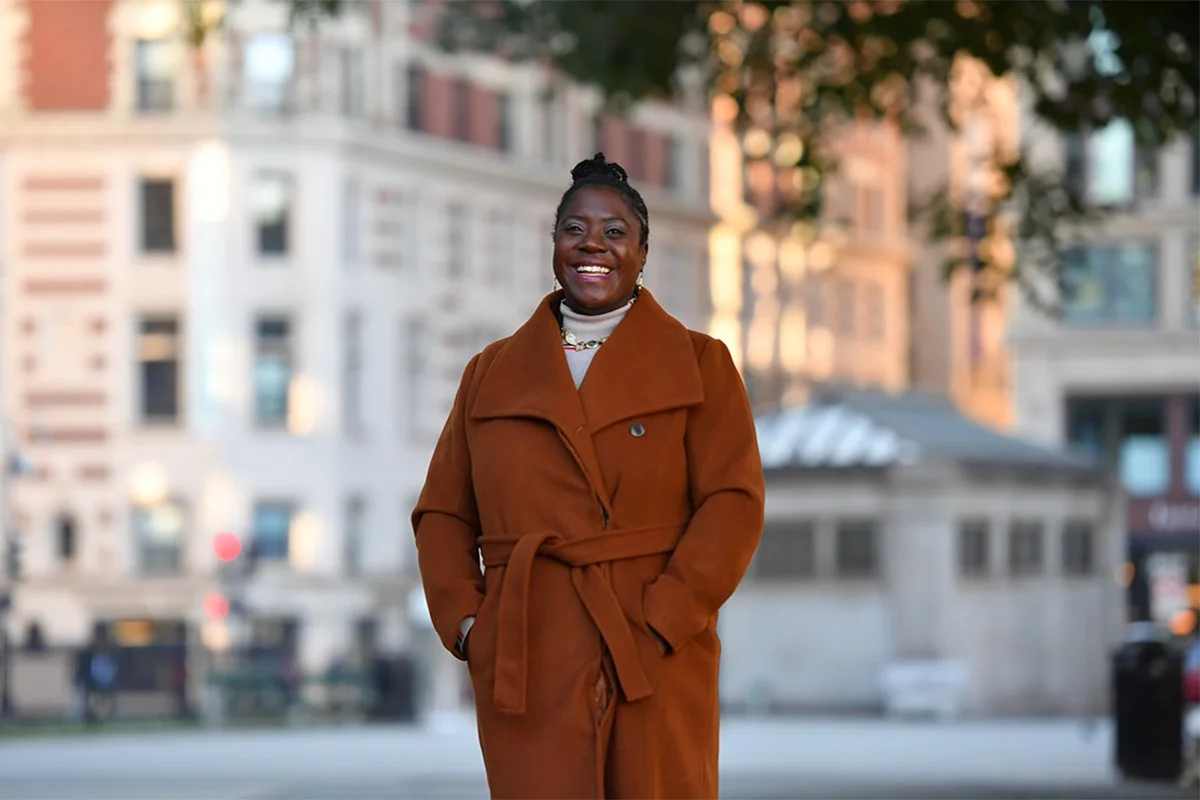
Shaya Gregory Poku
I am a mother, a partner, a daughter, and a native of California — shaped by the communities of Richmond and Oakland.
I am also a peace-builder, strategist, and educator.
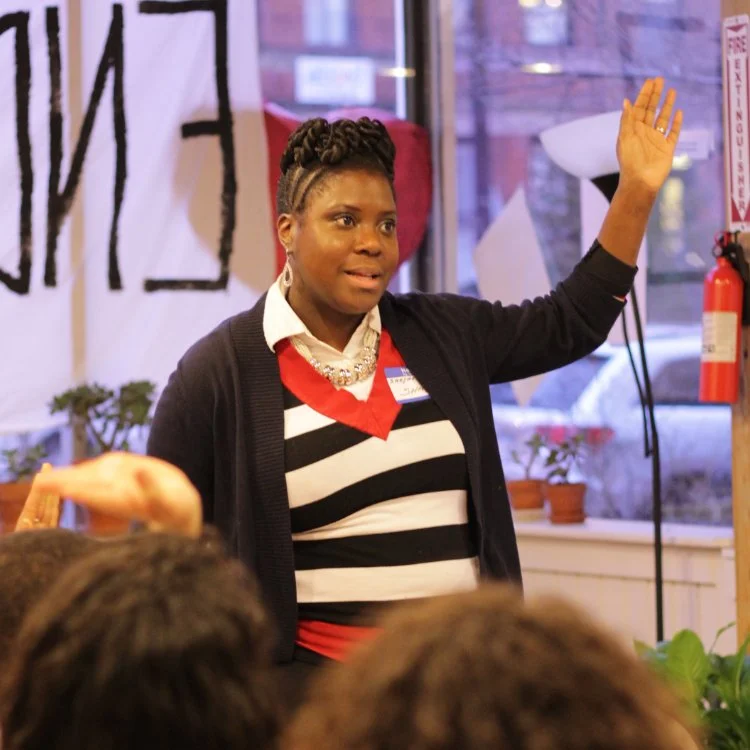
These identities are not separate from my work. They are the foundation of how I understand people, power, and the systems that shape our lives.
I have spent my career paying attention to what is often overlooked.
Not just the visible forms of inequality — but the quieter, more insidious patterns that shape outcomes, limit opportunity, and fracture communities over time.
These patterns live inside institutions. They are embedded in policies, practices, and decisions that may appear neutral, but are not experienced that way by everyone.
“Oppression and violence whittle away at our health, our hearts, and our relationships. This whittling leads to weakening and fraying of ourselves and our communities, which leads to trauma, missed opportunities, and divisiveness. Systems of oppression and (misuse of) power are designed to do just that — to keep us fragile and apart, rather than imbued with the fortitude and joy of the collective.”
— Shaya Gregory PokuGet to know me
-
My work sits at the intersection of equity, conflict, and institutional change.
For more than 20 years, I have worked across nonprofit and higher education spaces, both domestically and internationally, helping organizations navigate the realities of equity in practice.
I currently serve as Vice President for Community, Culture, and Belonging at Emerson College, and previously served as Chief Diversity Officer at Wheaton College.
I am a certified mediator through the Harvard Law School Program on Negotiation, with advanced training in intercultural relations, conflict management, and security and resilience studies.
But titles and credentials are only part of the story.
What matters most is the ability to help institutions:
examine themselves honestly
navigate tension without avoidance
and make decisions that lead to meaningful, lasting change
-
I fundamentally believe that social change happens at the intersection of grassroots ideas and institutional shifts.
This means:
listening deeply to lived experiences
understanding historical context
and translating that understanding into systems, strategy, and action
Equity is not about intention alone.
It is about how power operates, how decisions are made, and how systems either reinforce or disrupt harm.
-
My approach is grounded in a set of ongoing practices:
I examine patterns and power structures.
I consider the historical context that informs the present.
I center the experiences of those most impacted.
I engage multiple perspectives and points of view.
I hold both accountability and compassion.And I approach this work with both courage and care.
Because meaningful change requires both.
-
The work I do is:
Structural — grounded in systemic and institutional realities
Significant — designed to create measurable and lasting impact
Strategic — intentional in how time, energy, and resources are aligned
Relational — centered on people, community, and lived experience
This work did not begin with me.
And it will not end with me.
But I am committed to doing my part — with clarity, intention, and unflinching resolve.
Because the cost of inequity is not abstract. It is lived — in our health, our relationships, our opportunities, and our collective future.
And institutions have both the responsibility and the ability to change that.
If you are ready to engage this work with depth, honesty, and intention — I’d be glad to work with you.
Stay in thoughtful practice
I share reflections on systems, culture, and the realities of doing this work — inside institutions and within ourselves.